

Ontario Construction Report staff writer
The Ontario government is proposing changes to the province’s electricity distribution sector, including 10-year infrastructure plans, joint purchasing initiatives and stronger consumer protections for residents of multi-unit buildings.
Ontario’s 58 local distribution companies (LDCs) face rising electricity demand, aging infrastructure and increasing capital costs. The Electricity Distributors Association forecasts the sector could require up to $120 billion in distribution investments over the next 20 years.
Electricity demand is expected to grow significantly, requiring the equivalent of one City of Toronto to be added to the grid every six years, according to the province.
Under the proposed reforms, utilities would have new authority to coordinate purchasing through initiatives such as Buy Ontario and Buy Canada to reduce costs and increase the use of domestically manufactured products. They would also be encouraged to share services and resources to improve efficiency and reduce operating costs.
Governance requirements for municipally owned utilities and their holding companies would be strengthened, with an emphasis on board transparency, qualifications and oversight.
Utilities would also be required to develop 10-year plans covering infrastructure condition assessments, financing and workforce needs.
Consumer protections would expand for residents of condominiums, apartments and other multi-unit residential buildings served by unit sub-meter providers. Proposed measures include a ban on winter disconnections and greater transparency for customers.
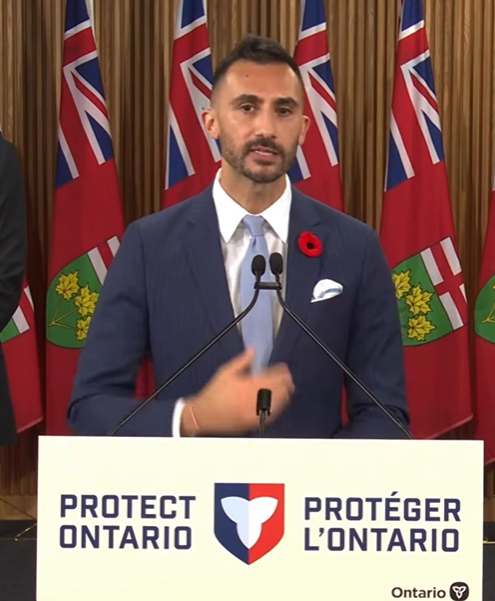
“Ontario’s utilities were designed for a different era – well before soaring electricity demand and President Trump’s tariffs,” Energy and Mines Minister Stephen Lecce said.
The government said the reforms are intended to help utilities expand capacity, replace aging infrastructure and improve service as electricity demand increases.
Earlier reviews have also called for changes to the sector. A 2018 Ontario Energy Board report recommended that utilities modernize their systems, adopt new technologies and explore partnerships and alternative business models to improve reliability and value for customers.
The government also released the final report of its Panel for Utility Leadership and Service Excellence, which examined how local utilities can respond to growing electricity demand while maintaining safety, reliability and affordability.
The proposed changes require legislative approval. The government also intends to issue a directive to the Ontario Energy Board outlining expectations for the future of electricity distribution.